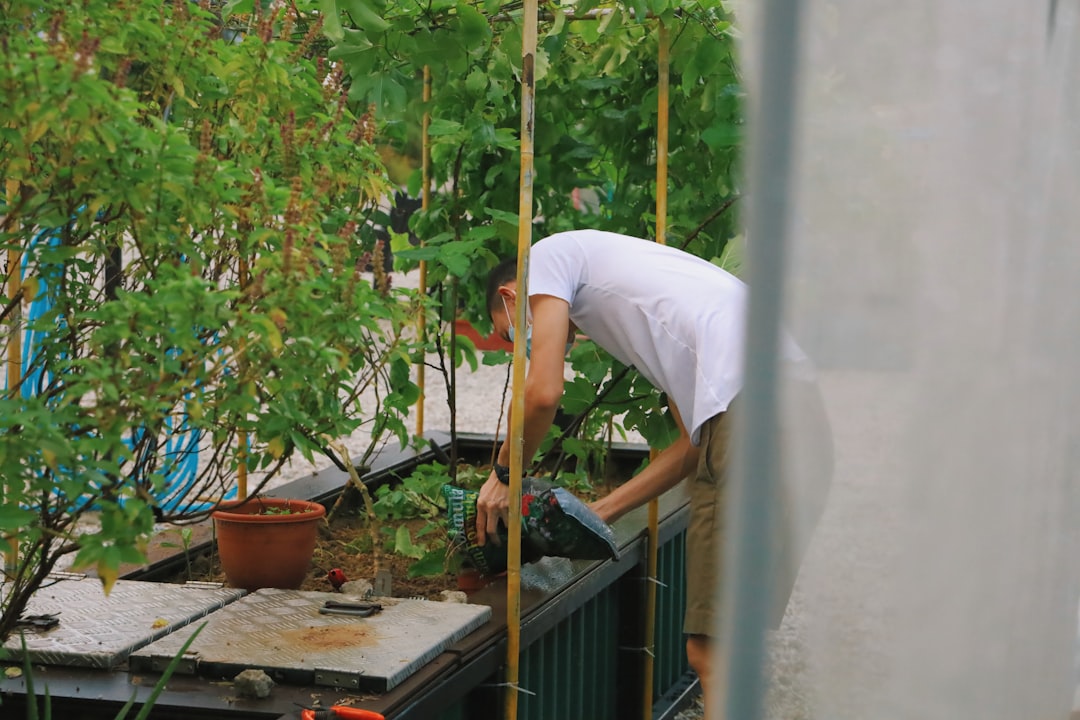
Healthy soil is the foundation of productive agriculture, resilient ecosystems, and sustainable food systems. However, soil degradation is a growing global issue due to erosion, nutrient depletion, and unsustainable farming practices. Investing in soil health is not just about short-term gains—it’s a long-term commitment that offers economic, environmental, and social benefits for farmers, gardeners, and entire communities.
In this blog post, we’ll explore why soil health matters, the long-term benefits of improving it, and strategies to enhance soil fertility and structure for future generations.
Why Soil Health Matters
Soil is a living system, home to billions of microorganisms that cycle nutrients, store carbon, and support plant growth. When soil is healthy, well-structured, and rich in organic matter, it:
✔ Holds water efficiently, reducing drought stress on crops
✔ Supplies essential nutrients for plant health and yield
✔ Stores carbon, helping to mitigate climate change
✔ Resists erosion, protecting valuable topsoil
✔ Supports beneficial microbes, reducing the need for synthetic fertilizers and pesticides
Neglecting soil health leads to declining productivity, increased input costs, and environmental damage. Investing in long-term soil management ensures sustainable yields, reduced expenses, and improved land value.
Long-Term Benefits of Investing in Soil Health
🌱 1. Increased Crop Yields and Farm Profitability
Healthy soil provides a balanced nutrient supply, ensuring consistent and higher crop productivity.
Long-term benefits:
-
Higher yields with less dependence on chemical fertilizers
-
Reduced input costs due to better nutrient retention
-
More resilient crops in droughts and extreme weather
Example: Studies show that farms using cover crops and no-till practices experience yield increases of 10-15% over time.
💰 2. Cost Savings on Inputs (Fertilizers & Pesticides)
Soil rich in organic matter naturally releases nutrients, reducing the need for expensive fertilizers.
Long-term benefits:
-
Lower fertilizer expenses as nutrients are cycled naturally
-
Fewer pesticides needed due to improved soil microbial health
-
Decreased irrigation costs due to better water retention
Example: Farmers who use compost and crop rotations see a 20-40% reduction in fertilizer costs over five years.
💦 3. Improved Water Retention and Drought Resistance
Healthy soil absorbs and holds water, making it more resilient during dry periods.
Long-term benefits:
-
Better moisture retention, reducing the need for frequent irrigation
-
Less runoff and erosion, keeping nutrients where they are needed
-
Greater resilience to climate variability
Example: Fields with high organic matter can hold 20,000 gallons more water per acre than degraded soils.
🌍 4. Carbon Sequestration and Climate Benefits
Soil is a major carbon sink, storing more carbon than the atmosphere and all plant life combined.
Long-term benefits:
-
Reduced greenhouse gas emissions by increasing soil organic carbon
-
Healthier ecosystems with balanced carbon and nitrogen cycles
-
Potential carbon credit opportunities for farmers practicing regenerative agriculture
Example: Regenerative practices like cover cropping and agroforestry help sequester up to 3 metric tons of CO₂ per acre per year.
🏞 5. Erosion Control and Soil Conservation
Degraded soil is easily eroded by wind and water, leading to loss of valuable topsoil.
Long-term benefits:
-
Prevents soil loss, keeping nutrients available for plants
-
Reduces sediment pollution in waterways
-
Improves land value by maintaining fertile topsoil
Example: Farms implementing buffer strips and no-till farming see 90% less soil erosion compared to conventional farms.
🦠 6. Enhanced Soil Microbial Life and Biodiversity
Soil health is linked to a thriving underground ecosystem of fungi, bacteria, and earthworms that improve soil structure and nutrient availability.
Long-term benefits:
-
Improved soil aeration and nutrient cycling
-
More disease-resistant plants, reducing chemical dependency
-
Greater biodiversity, leading to a more balanced ecosystem
Example: Fields managed with compost and reduced tillage have 10x more beneficial microbes than conventionally tilled fields.
🏡 7. Higher Land Value and Long-Term Sustainability
Investing in soil health preserves land productivity for future generations.
Long-term benefits:
-
Higher land resale and rental value due to improved fertility
-
Generational sustainability, ensuring the land remains productive
-
Greater food security through regenerative agricultural practices
Example: Landowners who improve their soil fertility often see property value increases of 20-30% over a decade.
How to Invest in Soil Health for Long-Term Benefits
1️⃣ Add Organic Matter Regularly
-
Use compost, manure, and cover crops to maintain soil fertility.
-
Incorporate mulch and crop residues to improve moisture retention.
2️⃣ Reduce Tillage and Soil Disturbance
-
Practice no-till or reduced tillage farming to protect soil structure.
-
Use permanent beds in gardens to minimize soil compaction.
3️⃣ Rotate Crops and Use Cover Crops
-
Rotate crops to break pest and disease cycles.
-
Plant cover crops like clover or rye to add nutrients and prevent erosion.
4️⃣ Balance Soil Nutrients Naturally
-
Use natural amendments like rock dust, biochar, or compost tea.
-
Test soil regularly and adjust pH and nutrient levels accordingly.
5️⃣ Improve Water Management
-
Build swales, rain gardens, or retention ponds to capture water.
-
Use drip irrigation to reduce water loss and soil compaction.
6️⃣ Support Soil Microbial Life
-
Avoid overuse of synthetic chemicals that harm beneficial microbes.
-
Use compost tea, mycorrhizal fungi, and worm castings to boost soil biology.
Final Thoughts: Soil Health is a Long-Term Investment
Healthy soil doesn’t happen overnight, but the long-term benefits far outweigh the initial efforts. Whether you’re a farmer looking to improve yields or a gardener wanting richer, more productive soil, investing in soil health ensures lasting benefits for years to come.
💡 Start today! Test your soil, add organic matter, and adopt regenerative practices. Your future harvests—and the planet—will thank you.
👉 What soil health practices have worked for you? Share your experiences in the comments! ⬇️
Comments
No comments yet. Be the first to comment!
You must be logged in to comment. Login